
PDF Stitcher Online: Combine Documents in the Right Order

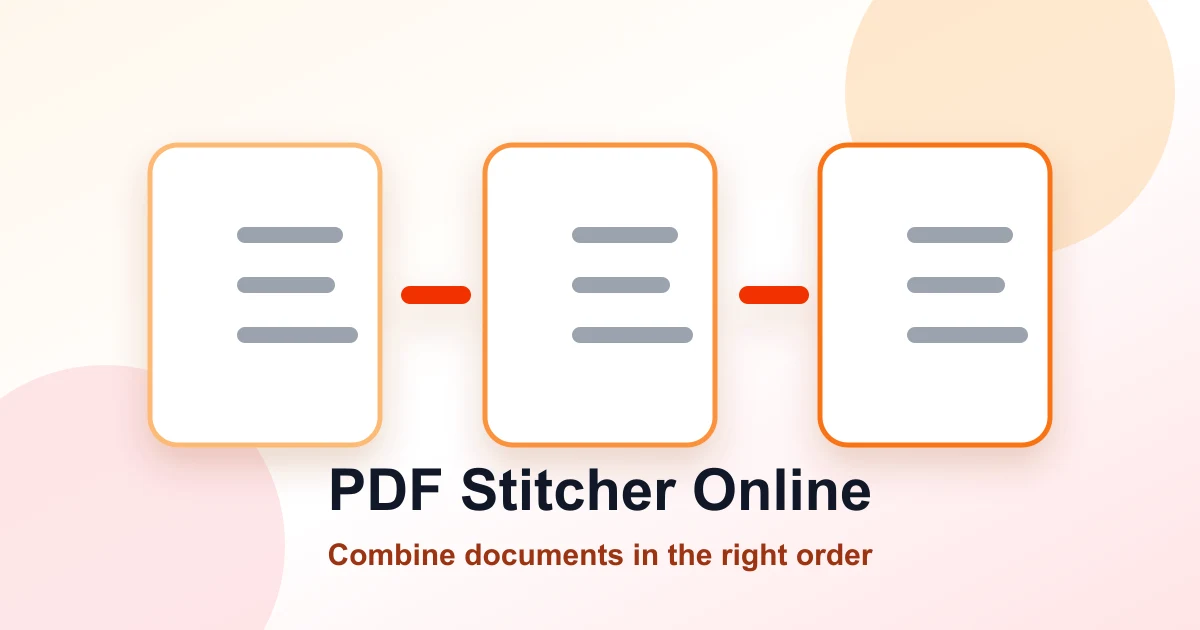
Stitch PDF Pages Together Without Losing the Reader's Path
A PDF stitcher is most useful when the files already make sense separately but need to travel as one packet. The job is not only to combine documents into one file; it is to keep the cover, main report, signatures, receipts, and appendices in the exact sequence the reader expects.
For this workflow I treated Batch Printer's merge tool as an online PDF combiner: prepare the files, place them in reader order, merge, then inspect the downloaded result before sharing it.
When a PDF Stitcher Is Better Than Re-exporting
Re-exporting from the original app can change fonts, page breaks, comments, or spreadsheet scaling. Stitching is safer when each source file is already approved and the only remaining task is to join those approved pages into one PDF.
- A final report needs a signed approval page attached after export.
- Several scanned receipts must sit behind one expense form.
- A proposal needs a cover PDF, pricing sheet, and appendix in one packet.
- You need to merge many PDFs into one without editing their contents.
- The recipient asked for a single upload instead of separate files.
The Order Check That Matters Most
A PDF stitcher follows the queue. If the receipt is above the report, the receipt becomes the first page. Before merging, read the file list from top to bottom the same way the recipient will read the final PDF.
- Rename files with prefixes such as 01-cover, 02-report, and 03-signature.
- Add the base document first, then supporting pages and appendices.
- Remove duplicate drafts before they enter the queue.
- Keep password-protected or broken PDFs out until they open normally.
- After download, check the first page, transition points, and last page.
Common Stitching Mistakes to Avoid
Do not use stitching to replace a middle page that should be edited in the source document. Do not compress the only copy before checking the merge. And do not assume file names are harmless: vague names such as final2.pdf are the fastest way to stitch the wrong draft into a client packet.